Greenville drivers are no strangers to sudden windshield problems. A dump truck on I‑385 sheds a pebble that grows into a crack overnight. A summer thunderstorm knocks a limb loose on Augusta Road. One cold snap after a warm day, and that tiny chip spreads like a spider web. When it is time for a windshield replacement in Greenville, cure time becomes the quiet factor that decides whether your new glass performs like factory original or fails when you need it most.
Cure time sounds simple. Install glass, let it set, drive away. In practice, the chemistry under your windshield is doing heavy lifting, and how you treat the vehicle afterward matters. I have stood in more driveways and shop bays than I can count, explaining why someone should wait an hour before heading to work, or why that car with lane keep and adaptive cruise needs an extra step before it is safe to hand back. What follows is the same straight talk I give customers in person, tuned to local conditions and the realities of getting back to life in Greenville.
What “cure time” actually means
Auto glass installers use urethane adhesives to bond the windshield to the vehicle body. That urethane starts as a viscous bead laid around the pinch weld, then chemically crosslinks into a solid elastomer. The process happens in stages. There is a skin-over period when the surface firms up, a safe drive-away time when the bond can handle a crash-level load without the airbag pushing the glass out, and a full cure that continues for 24 to 48 hours.
The safe drive-away time is the piece that affects your schedule. It is the point at which the windshield has enough structural strength to keep occupants safe. Many high-quality OEM‑approved urethanes advertise a one-hour safe drive-away under ideal conditions. Ideal rarely aligns with real life. Temperature, humidity, urethane brand, bead size, and how well the installer managed the substrate all nudge that clock up or down.
When we talk cure time for windshield replacement Greenville customers can trust, we mean the safe window where your car leaves the bay ready for the worst case scenario, not just ready to survive a gentle drive down Wade Hampton Boulevard.
Greenville weather and the chemistry of curing
The Upstate brings humid summers, surprise downpours, and winters that swing from mild afternoons to frosty mornings. Urethane likes moderate temperature and some humidity. Heat typically shortens cure time, humidity helps crosslinking, and cold slows everything. That is the broad rule, but the details matter.
On a July afternoon, with 90 degrees and sticky air, premium urethane will often hit a safe drive-away in about an hour. A December morning in the high 30s can double that time, especially if the vehicle has a wide bond footprint or if the urethane bead is heavy. Mobile windshield repair in Greenville adds another variable. If the car is parked in a shady driveway after a rainstorm and the pinch weld still holds micro moisture, a conscientious installer will prep and prime more carefully, and the safe time may run longer.
Wind helps evaporation but can cool the glass. Direct sun warms the glass but can create uneven temperatures between the top and bottom edges. All of these factors are routine for local techs. The right response is not guesswork, it is a procedure: temperature checks, moisture meters, and adhesive data sheets that include real safe drive-away charts.
What we advise at the curb and in the bay
When I finish a windshield replacement Greenville drivers hear three things, every time. First, the safe drive-away time with a cushion built in, based on the adhesive used and the conditions in that moment. Second, what not to do for the next 24 hours. Third, any extra steps tied to ADAS features.
The cushion matters. Adhesive manufacturers might say 60 minutes at 73 degrees Fahrenheit and 50 percent humidity. In Greenville, that spare twenty minutes before you hop on 385 can be the difference between theoretical and practical safety. A responsible shop will err on the side of safety even if that means asking you to wait a little longer in the lounge with the coffee that everyone complains about but still drinks.
As for what not to do, the rules are simple and they have nothing to do with superstition. Avoid slamming doors for a day because the cabin pressure spikes can push on the new bond line before it has full strength. Avoid high-pressure car washes and do not peel off the retention tape until the morning after. Leave the windows cracked a finger’s width if possible, at least for the first drive, to let pressure equalize. These steps treat the adhesive like the working chemical system it is, not magic glue that turns solid the moment it touches metal.
The ADAS layer: cameras, calibration, and why timing changes
A modern windshield is more than a pane of laminated glass. Many vehicles in Greenville come with forward-facing cameras for lane keep assist, automatic emergency braking, or adaptive cruise. That hardware looks through a clear area of the windshield that has specific optical properties. When the glass changes, the camera’s view shifts by millimeters. That is enough to move a lane line off target at highway speeds.
ADAS calibration for windshield replacement in Greenville is not optional. An on-board static or dynamic calibration aligns the camera to the vehicle and the road. Some models require both. That process adds time, and it can be sensitive to lighting, floor level, and target placement. On mobile jobs, we can often perform dynamic calibration on a safe test route in Greenville. Static calibration sometimes requires a controlled shop space. Plan for this, and ask your installer how it will be handled.
Cure time affects calibration in subtle ways. If the adhesive has not reached its safe state, the glass can shift slightly with a pothole or a hard stop during calibration. That shift can move the camera’s aim. The way we handle this is by respecting the safe drive-away window before calibration and, when needed, scheduling calibration immediately after in the right environment. It is routine, but it is not a corner to cut.
Mobile auto glass in Greenville, done right
Mobile auto glass Greenville services are popular because life is busy. A tech comes to Pelham Road offices or a home in Greer, replaces the glass, and you never step foot in a shop. The caution is the same as in a bay: control the variables. A competent mobile windshield repair Greenville team carries pop-up shelters, heat guns, moisture control, and the primers that match the vehicle’s pinch weld condition. They test ambient temperature at the glass surface, not air back glass replacement Greenville temperature in the shade.
I have done mobile installs in summer thunderheads and leaf-littered cul-de-sacs. When the conditions fight you, a good tech calls an audible. If heavy rain will contaminate the bead during the open time, rescheduling beats a rushed job. That kind of decision avoids callbacks and keeps you safe. Customers sometimes push to drive immediately after the last wiper arm is torqued. When we ask for an extra 30 minutes, it is not upselling time, it is keeping the bond credible so airbags have something solid to push against.
Why the windshield bond matters for safety
A windshield does more than block bugs and rain. It provides up to 45 percent of a vehicle’s roof strength in a frontal rollover and acts as a backboard for the passenger‑side airbag. If the bond fails, the airbag can push the glass outward, leaving the passenger with a fabric pillow and no support. That is not the scenario you want at 40 mph on Pleasantburg Drive.
Cure time connects directly to that outcome. The crash test standards for adhesives are specific. They define a time when, under defined environmental conditions, the bond will hold in a standardized frontal collision. That is the safe drive-away figure your installer should be quoting, not a gut feeling or a store policy made to turn vehicles faster.
Side and back glass have different rules
Side window replacement in Greenville and back glass replacement in Greenville use different attachment methods. Most side glass is tempered and rides in a regulator track. There is no urethane bond to the body. The cure time here is about the adhesives used for the regulator clips or weather seals, and those are quick. Back glass can be urethane-bonded on SUVs and hatchbacks, or set in a gasket on older vehicles. Rear urethane bonds cure like windshields, but the structural role is typically less critical. In practice, you can usually drive sooner after back glass replacement, but rear defroster connections and hatch alignment add their own checks. If a shop gives you a blanket “no wait” answer for every back glass job, press for details about the adhesive used and any cure time for the connectors.
Chips, cracks, and when repair is enough
Windshield repair in Greenville is often a drill‑free resin injection for rock chips. That resin cures with UV light in minutes. There is no structural urethane bond involved, so the wait is short. The decision point is whether the damage sits in the driver’s primary vision area, reaches an edge, or splinters into multiple legs. Repairs save time and money, but they are not a cure‑all. If you see moisture or dirt inside the crack, or if the crack has grown past 6 to 8 inches, replacement is the responsible option.
The trick in the Upstate is timing. Summer heat expands cracks quickly. If your schedule is tight, a mobile repair can stop the spread by lunchtime. If you wait a week through a heat wave, that quick repair can turn into a full windshield replacement Greenville drivers will need to plan for.
Cheap parts versus smart value
I have seen “cheap windshield replacement Greenville” ads that quote numbers so low they barely cover materials. The bargain usually hides somewhere else: off‑brand glass with poor optical quality, a low‑modulus adhesive not rated for your vehicle’s airbags, or skipped primers on a scratched pinch weld. Any of these can stretch cure times or reduce bond strength even after a full cure.
Value does not mean the highest price. It means the right glass that keeps your camera happy, a urethane with a documented safe drive-away at realistic local temperatures, and a tech who uses the right primers for bare metal, e‑coat, or old urethane. Ask for the adhesive brand and the drive-away chart. Good shops will show you. Poor ones will pivot to “we do it this way all the time.” That is not an answer when your airbag depends on the bead.
Insurance, scheduling, and what to ask first
Insurance windshield replacement in Greenville often goes through third‑party administrators that steer jobs based on network agreements. You still control who touches your car. Before you schedule, ask these questions in plain language, and listen for specific answers rather than general assurances.
- What urethane will you use on my vehicle, and what is the documented safe drive‑away time for today’s temperature and humidity? Will you perform ADAS calibration if my car requires it, and is that included in the appointment time? Do you prime scratches on the pinch weld or bare metal, and do you remove the cowl trim to access the full bond line? If mobile, how will you manage rain, cold, or direct sun to protect the adhesive during open time and cure? What is your warranty on wind noise, water leaks, and stress cracks that develop in the first 90 days?
Those five questions keep the conversation grounded. It is not about catching someone out. It is about aligning expectations so that cure time and safety are baked into the plan, not treated as afterthoughts.
How long you should really wait before driving
If you want a rule of thumb that fits most of Greenville’s year, here’s a practical ladder. At 75 to 90 degrees with modest humidity, expect a one to two hour safe drive-away using a premium high-modulus urethane suited to airbag retention. Spring and fall days in the 60s push that to 90 minutes to three hours. Winter mornings in the 30s demand two to four hours or a temperature‑controlled bay. Those figures assume the installer followed surface prep standards and used proper bead size. If the vehicle has wide bond areas, or if the tech had to correct rust or scratched e‑coat, add time.
These are not scare numbers. They are comfortable windows that absorb minor variations. When a shop tells you it is safe in an hour, ask what they used and why. If they say two hours on a cold morning, they are taking your safety seriously. Waiting those extra minutes with a coffee at a local spot on Stone Avenue is not a burden compared to what that bond does for you.
The steps you can control after you leave
Owners play a part in cure success. Treat the car gently for the first day. Close doors with a lighter hand. Skip the power wash at the Haywood Road station. Keep the retention tape on overnight, even if it is not a flattering look. Avoid rough roads and curb drops that flex the body. Do not use ammonia‑heavy cleaners on the inside glass seam until after day two, when the adhesive’s skin has fully hardened.
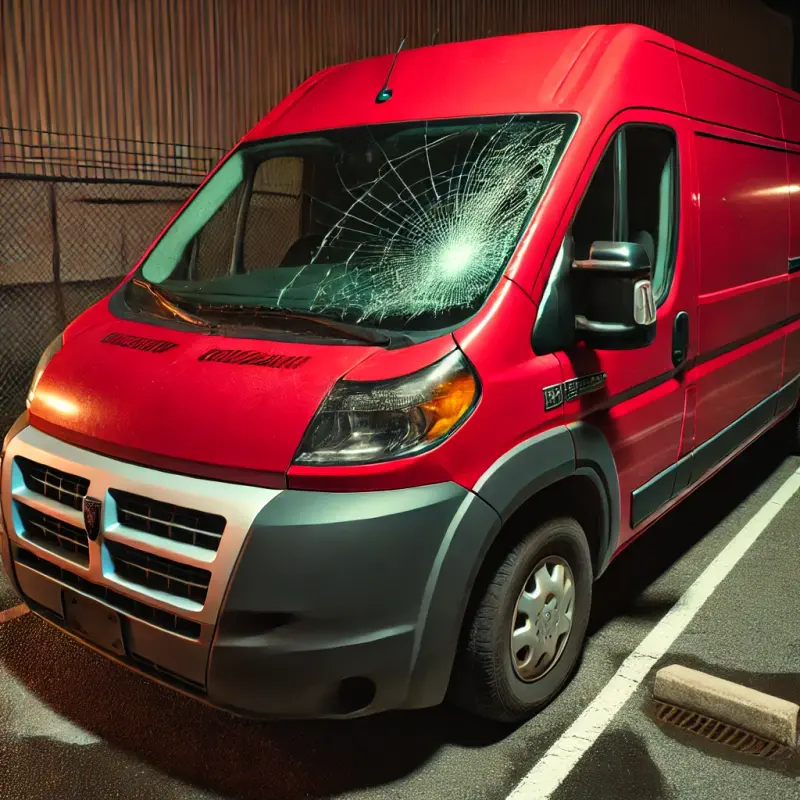
One customer of mine drove his lifted truck over an aggressively tall speed bump an hour after leaving. The bead held, but the stress telegraphed into a hairline crack at the edge where the glass met a small chip he had not noticed before. That was not a urethane failure. It was simply a reminder that cars flex and new installations need a quiet day to settle.
A note on rust and older vehicles
Greenville’s winters are mild, but cars that spent years up north often migrate here, and those pinch welds can hide rust. Rust undermines the bond no matter how long you wait. A proper auto glass replacement in Greenville includes rust mitigation. That means grinding to clean metal, applying the right primer, and sometimes scheduling extra time. If a tech sets glass on rust, cure time becomes irrelevant because the urethane will adhere to loose material, not the body. If your vehicle is older or you suspect previous leaks, authorize the shop to address rust and budget extra time that day.
Mobile versus shop for ADAS and specialty models
For vehicles with complex cameras or HUD, a shop environment helps. Static calibration needs controlled lighting, level floors, and space to position targets at precise distances. Some mobile teams can do dynamic calibration on a smooth loop around Greenville, but traffic and stoplights can complicate the pattern. Shops that handle ADAS calibration windshield Greenville services daily will be upfront about what can be done in your driveway and what belongs in a controlled bay. This may add a few hours, but it ensures your lane departure warning sees the world correctly.
Back to the basics: making repairs last
Not every crack demands replacement. If you catch a chip early, a resin repair restores much of the glass integrity and keeps the flaw from spreading. The resin cures under a lamp in minutes, and you can drive almost immediately. The key is cleanliness. Do not tape over a chip with duct tape that leaves residue. Avoid spraying glass cleaner that drips into the break. If rain is coming, park under cover so water does not soak the damage before the tech arrives. Simple habits preserve repairability and reduce the chance that a small fix turns into a schedule‑shifting replacement with full cure time.
Why local experience matters
Greenville has its quirks. Pollen season dusts every surface in yellow, which finds its way under moldings. Afternoon storms roll off Paris Mountain without much warning. Downtown garages trap cool air even on warm days. Technicians who work here adapt. They bring extra microfiber, blow out channels with clean air before laying bead, and watch radar before starting a mobile job. None of that is glamorous, but it is how you get consistent results and predictable cure times.
I think about one Tuesday in August, asphalt shimmering at 95 degrees. We staged two mobile installs in shaded apartment lots off Woodruff Road. The cars were too hot to handle at first touch. We opened the doors, vented the cabins, and misted the glass surface with water to temper the heat before applying primer. Safe drive-away that day was 60 minutes on the sheet. We told both owners 90. No callbacks, no wind noise, and both vehicles drove straight to a dinner reservation without a problem. The small decisions make the difference.
Costs, coverage, and the patience premium
Insurance handling for auto glass is straightforward when you have comprehensive coverage. If you opt for network shops, push for your choice if you have a preferred installer. If you pay out of pocket, you will see a range. Fair pricing reflects quality glass, proper urethane, and calibration when needed. If someone quotes a price that barely clears the cost of the parts, the margin came from somewhere else. Skipped calibration, bargain adhesive, or rushed cure windows are the usual suspects.
Plan your day with a small buffer. Use the extra time to handle nearby errands, answer emails at a coffee shop, or take a short walk. The overlap of your schedule with the adhesive schedule is the only real friction in this process. When both align, you get the best of it: a structurally sound car, a clear view, and cameras that behave.
Final practical notes for Greenville drivers
Set your expectations before the appointment. Ask about the adhesive brand and today’s safe drive-away time. If your vehicle has a camera, confirm calibration and where it will happen. If you need side window replacement or back glass replacement in Greenville, ask how the attachment differs and whether any cure applies. For mobile appointments, choose a spot with cover if you can, and give the tech access to a power outlet if static calibration is planned.
Most important, respect the cure. It is an hour or three that buys years of safety. I have watched hurried customers drive away early because work called. Most arrive home fine. A few come back with wind noise, a weeping leak, or a rattling trim clip that did not have time to set. All avoidable with a little patience.
If you ever feel pressured to leave before you are comfortable, pause the handoff and ask for the data sheet. Good installers in Greenville are proud of their process. They will walk you through the variables in plain language and hand you the car only when the cure time says it is ready. That is the standard you want, because when a windshield is bonded right and allowed to cure properly, you do not think about it again for a very long time.